
Protecting Your Creative Work: IT Security Essentials
- Nov 1, 2025
- 4 min read
Creative work is valuable. Whether you are a writer, artist, designer, or developer, your creations represent your time, effort, and unique ideas. Unfortunately, digital threats put this work at risk. Hackers, malware, and accidental data loss can destroy or steal your creative projects. Protecting your work with solid IT security practices is no longer optional—it is essential.
This post explains key IT security steps to keep your creative work safe. You will learn practical methods to secure your files, devices, and online presence. These tips apply whether you work solo or collaborate with others.
Why IT Security Matters for Creators
Creative work often exists in digital form. This makes it easy to share and distribute but also vulnerable to theft or damage. Losing your work can mean lost income, missed deadlines, or even legal troubles if your intellectual property is stolen.
Common risks include:
Ransomware attacks that lock your files until you pay a fee
Phishing scams that trick you into revealing passwords
Accidental deletion or hardware failure without backups
Unauthorized access to cloud storage or project files
Understanding these risks helps you take the right precautions. Protecting your work means protecting your livelihood and reputation.
Use Strong Passwords and Manage Them Wisely
Passwords are the first line of defense. Weak or reused passwords make it easy for attackers to break in.
Create passwords with at least 12 characters mixing letters, numbers, and symbols
Avoid common words, names, or dates
Use a password manager to generate and store unique passwords securely
Enable two-factor authentication (2FA) wherever possible for an extra security layer
For example, a graphic designer might use a password manager like Bitwarden or LastPass to keep track of complex passwords for different client portals and cloud services. This reduces the risk of password reuse and simplifies login.
Keep Your Software and Devices Updated
Outdated software often contains security flaws hackers exploit. Regular updates patch these vulnerabilities.
Set your operating system, creative software, and antivirus to update automatically
Update plugins and extensions used in your workflow
Replace old hardware that no longer receives security updates
For instance, a video editor using Adobe Premiere should install updates promptly to avoid bugs and security holes. Similarly, updating your computer’s operating system ensures it has the latest protections.
Back Up Your Work Regularly and Securely
Backups are your safety net. If your files get corrupted, deleted, or held hostage by ransomware, backups let you restore your work quickly.
Use the 3-2-1 backup rule: keep 3 copies of your data, on 2 different media, with 1 copy offsite
Consider cloud backup services like Backblaze or Google Drive for automatic offsite copies
Encrypt backups to protect sensitive files from unauthorized access
A writer, for example, might keep drafts on their laptop, an external hard drive, and a cloud service. If one copy is lost or compromised, the others remain safe.

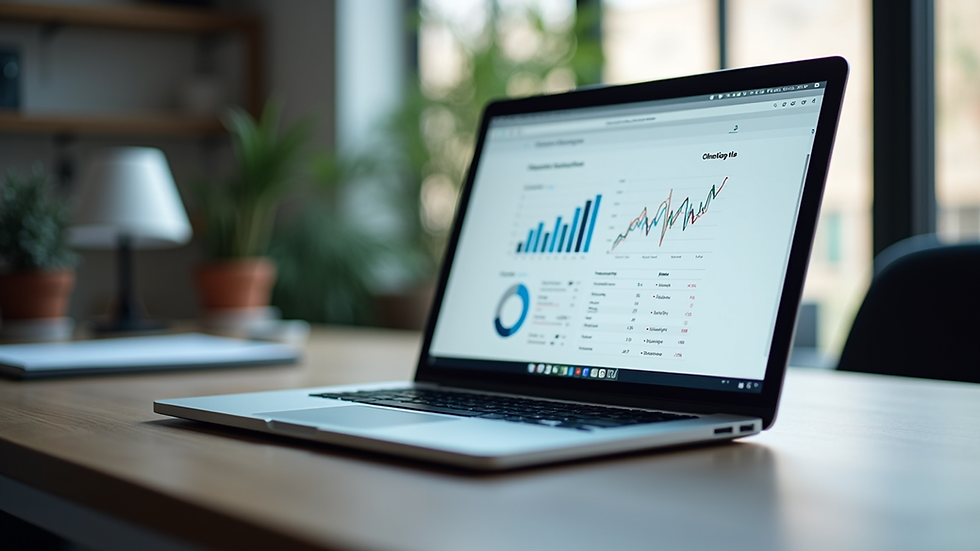
Secure backup software interface showing encryption settings for creative files
Protect Your Network and Devices
Your home or office network can be a weak point if not secured.
Use a strong password for your Wi-Fi network
Change default router settings and firmware regularly
Install a firewall and antivirus software on all devices
Avoid public Wi-Fi for sensitive work or use a trusted VPN service
For example, a freelance illustrator working from a café should use a VPN to encrypt their internet connection. This prevents others on the same network from intercepting their data.
Be Careful with Sharing and Collaboration
Sharing files and collaborating online is common but can expose your work if not done carefully.
Share files through secure platforms like Dropbox or Google Drive with permission controls
Avoid sending sensitive files via email without encryption
Use collaboration tools with strong security features and access logs
Regularly review who has access to your projects and remove unnecessary permissions
A music producer collaborating with remote artists might use a secure cloud folder with limited access rather than emailing large audio files. This reduces the chance of leaks or unauthorized downloads.
Recognize and Avoid Phishing and Scams
Phishing attacks trick you into giving away passwords or downloading malware.
Be suspicious of unexpected emails asking for login details or urgent actions
Verify sender addresses carefully; phishing emails often use fake or similar-looking addresses
Do not click on suspicious links or download attachments from unknown sources
Use email services with built-in spam and phishing filters
For example, a photographer receiving an email claiming to be from a client asking for payment details should confirm the request by phone before responding.
Use Encryption to Protect Sensitive Files
Encryption converts your files into unreadable code unless unlocked with a key. This protects your work if devices are lost or stolen.
Encrypt your hard drives using built-in tools like BitLocker (Windows) or FileVault (Mac)
Use encrypted cloud storage options or encrypt files before uploading
Share encryption keys securely, never via the same channel as the encrypted files
A writer working on a confidential manuscript might encrypt their laptop’s hard drive and use encrypted cloud storage to prevent leaks.
Monitor Your Accounts and Devices
Regular monitoring helps catch security issues early.
Check account activity logs for unusual logins or changes
Use security software that alerts you to malware or breaches
Review device access and permissions periodically
Set up alerts for password changes or login attempts
For example, a game developer might receive notifications if someone tries to log into their cloud repository from an unknown location, allowing quick action.
Educate Yourself and Stay Updated
Cyber threats evolve constantly. Staying informed helps you adapt your security practices.
Follow trusted IT security blogs and news sources
Take online courses or webinars on digital security basics
Join creator communities to share tips and experiences
Regularly review your security setup and update it as needed
Knowledge is your best defense. The more you understand about threats and solutions, the better you can protect your creative work.
Protecting your creative work requires ongoing effort. By using strong passwords, backing up files, securing your network, and staying alert to threats, you build a strong defense. Start with small steps today and keep improving your security habits. Your creativity deserves to be safe.


Comments